 Reviews

 Proudly American
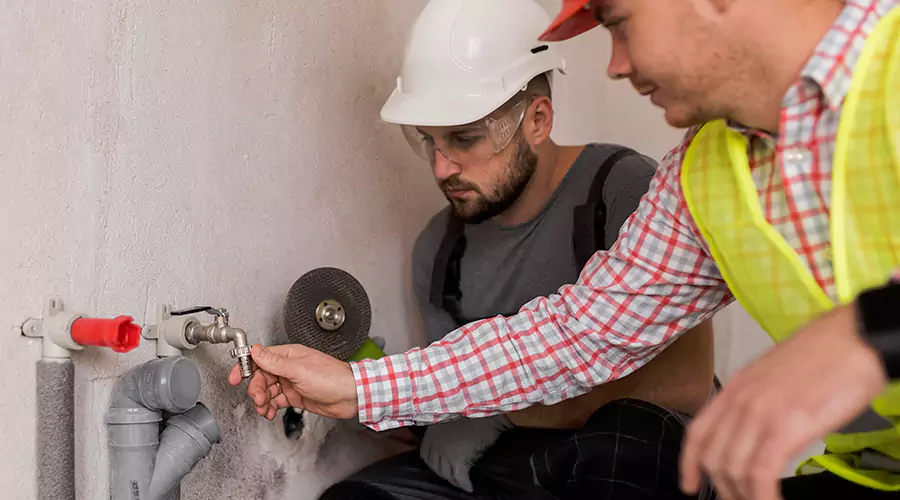
Water leaks are among the most common and costly issues in residential properties. While some leaks are easy to identify, many remain hidden behind walls, beneath floors, inside ceilings, or underground, quietly causing damage over time. Detecting these concealed leaks early is essential to prevent structural deterioration, mold growth, unhealthy living conditions, and rising water bills.
Because plumbing systems operate daily and are largely concealed within a home’s structure, small leaks can persist for long periods before visible damage appears. Understanding the warning signs allows homeowners to take proactive steps to protect their property and plumbing system.
Why Hidden Water Leaks Are Dangerous
Hidden water leaks may appear insignificant initially, but their long-term impact can be severe if not addressed promptly:
Structural Damage
Ongoing moisture can weaken foundations, soften drywall, rot wooden framing, and compromise flooring materials, leading to extensive and costly repairs.
Mold Growth
Moist environments encourage mold and mildew growth, which can spread rapidly and pose health risks, particularly for children, older adults, and individuals with respiratory conditions.
Increased Water Bills
Unnoticed leaks can waste hundreds or even thousands of gallons of water, resulting in unexpectedly high monthly utility costs.
Pipe Deterioration
Continuous leaks accelerate pipe corrosion and wear, increasing the likelihood of burst pipes or complete system replacement.
Early detection and professional evaluation are critical to preventing minor leaks from developing into major plumbing failures.
Common Signs of Hidden Water Leaks
1. Unexpectedly High Water Bills
A sudden increase in water usage without changes in daily habits is one of the most reliable indicators of a hidden leak.
- Continuous water meter movement when all fixtures are turned off
- Small pinhole leaks that waste large volumes of water without visible pooling
2. Damp or Discolored Walls and Ceilings
Moisture buildup behind surfaces often becomes visible through changes in appearance.
- Yellow or brown stains on walls or ceilings
- Bubbling, cracking, or peeling paint
- Soft or sagging ceiling areas
These signs frequently result from aging pipes, faulty installations, or deteriorated joints.
3. Persistent Musty Odors
A lingering musty smell often indicates mold growth caused by trapped moisture.
- Common near basements, crawl spaces, cabinets, or under sinks
- Mold may spread even when water is not visibly present
Professional leak detection is essential when odors persist without an obvious source.
4. Sounds of Running Water
Hearing water movement when no fixtures are in use is a clear warning sign.
- Dripping, hissing, or trickling sounds behind walls or under floors
- Often associated with leaking supply lines or drain pipes
5. Floor or Foundation Damage
Leaks beneath floors or slabs can compromise structural stability.
- Cracks in flooring or foundations
- Warped tiles or buckling laminate
- Soft, uneven, or spongy flooring
Underground supply or sewer line leaks often reveal themselves through these symptoms.
6. Mold or Mildew Growth
Visible mold or mildew signals prolonged moisture exposure.
- Black, green, or white spots on walls or ceilings
- Growth around sinks, toilets, tubs, or appliances
- Increased allergy symptoms or respiratory discomfort
7. Water Meter Fluctuations
Monitoring the water meter is one of the simplest ways to confirm a hidden leak.
- Turn off all water sources
- Observe the meter for movement
- Any change indicates water loss within the system
Types of Hidden Water Leaks
Understanding common leak locations helps homeowners identify risk areas:
Behind Walls
Often caused by aging copper pipes, corroded joints, or loose fittings.
Under Floors
Leaks in drain, sewer, or PVC piping can slowly saturate subfloors and weaken structural layers.
Underground
Outdoor supply lines and sewer pipes may leak for months without visible surface damage, leading to soil erosion or foundation shifting.
Fixtures and Appliances
Toilets, faucets, water heaters, and washing machines may leak internally, silently increasing water usage.
How a Professional Plumbing Inspection Can Help
Professional plumbers use advanced tools and expertise to accurately locate and repair hidden leaks. A comprehensive inspection typically includes:
- Thermal imaging, acoustic detection, and moisture meters
- Evaluation of water pipe installations and underground lines
- Targeted repairs to prevent structural damage
- Preventive maintenance recommendations to reduce future risks
Routine inspections improve plumbing efficiency, reduce repair costs, and extend system lifespan.
Preventive Tips for Homeowners
Homeowners can reduce the risk of hidden water leaks by taking proactive measures:
- Review water bills regularly for unusual increases
- Inspect visible pipes, valves, and fixtures
- Maintain balanced water pressure
- Schedule annual professional plumbing inspections
- Replace outdated or corroded piping systems proactively
Conclusion
Hidden water leaks can silently damage a home, increase utility costs, and create serious health and structural concerns. By recognizing early warning signs—such as rising water bills, damp surfaces, musty odors, unusual sounds, foundation changes, and mold growth—homeowners can take action before problems escalate.
Professional plumbers provide expert leak detection, pipe installation, and repair services that help keep homes safe, dry, and efficient. Early inspection and timely maintenance remain the most effective ways to protect your property, preserve its value, and ensure long-term peace of mind.